
Italy’s Furniture Industry by Region: Production Concentration and Export Exposure
Italy’s furniture industry is one of Europe’s largest and most structurally important manufacturing sectors. Yet its production base is far from evenly distributed, and export exposure differs markedly across regions.
This analysis examines three core dimensions of Italy’s regional furniture economy: the concentration of production across provinces, differences in export intensity, and the evolving structure of trade partners between 2019 and 2025. By combining regional production data with trade flows, the objective is to assess not only where furniture is produced, but also how exposed different clusters are to shifts in international demand — particularly in light of recent US trade developments.
Production Concentration: A Northern Core
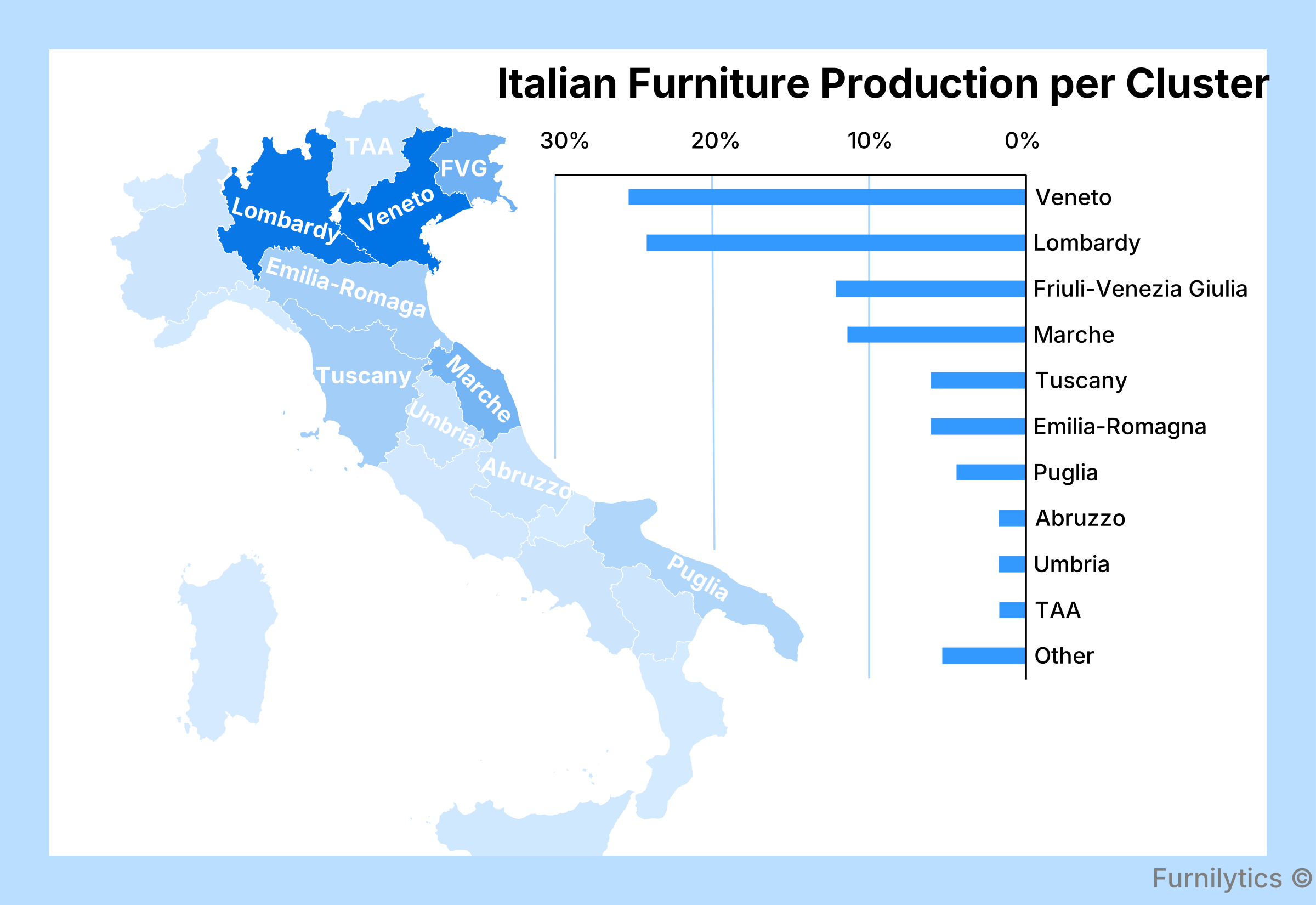
Furniture manufacturing in Italy is highly concentrated in a small number of regional clusters. Lombardy and Veneto together account for 49.5% of total national production. Adding Friuli-Venezia Giulia and Marche brings the combined share to another 23.5%, meaning that four regions represent nearly three quarters of Italy’s furniture output.
This strong concentration reflects the structural importance of northern industrial districts, dense supplier networks, and export-oriented manufacturing ecosystems. By contrast, production in southern and smaller central regions remains comparatively limited, underlining the highly uneven geographic distribution of Italy’s furniture industry.
Regional Differences in Export Intensity
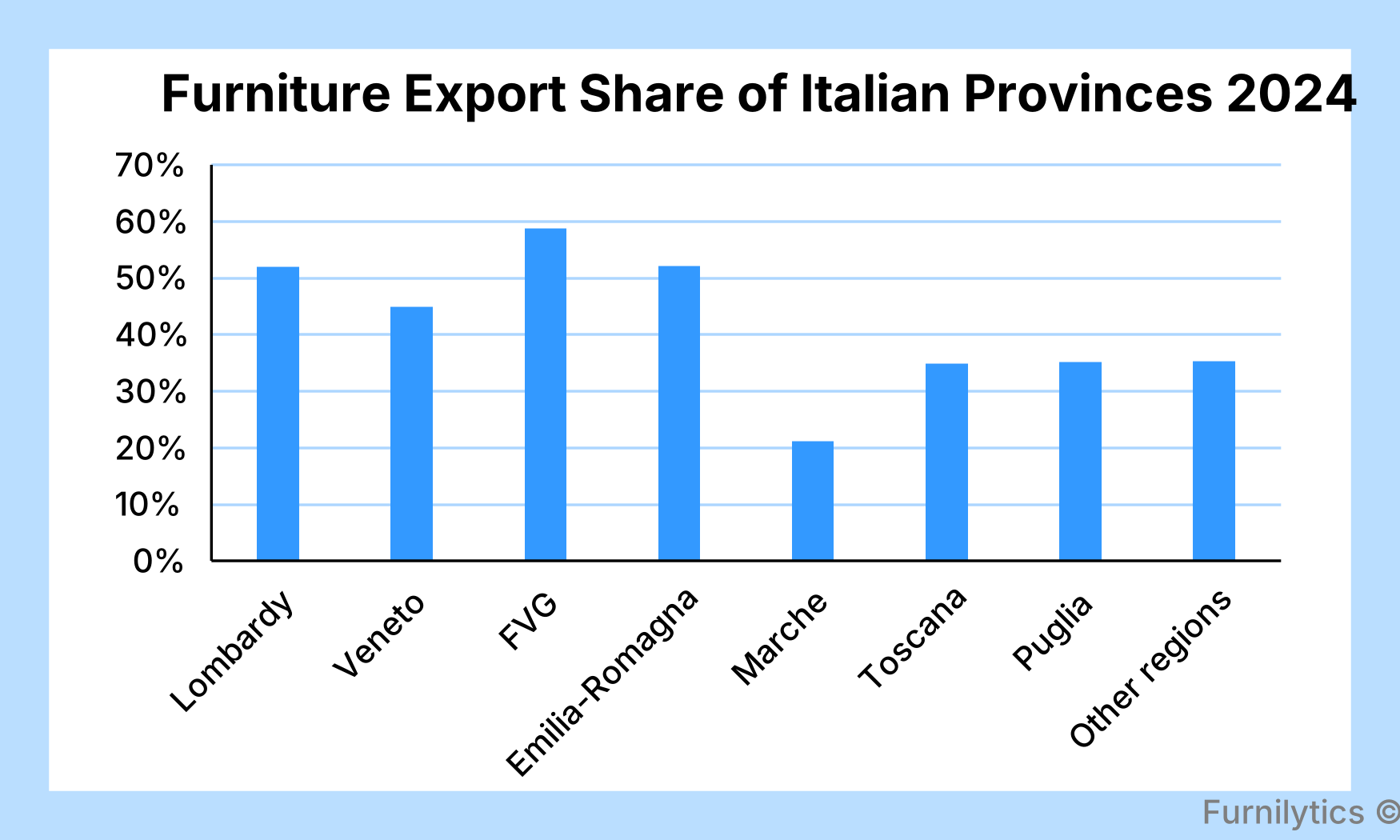
Export dependence varies significantly across Italian furniture clusters. In 2024, Friuli-Venezia Giulia shows the highest export intensity, with roughly 59% of production sold abroad. Lombardy and Emilia-Romagna follow at just above 50%, underlining the strong international orientation of the largest industrial ecosystems.
By contrast, Veneto, despite being the largest production region, records a lower export ratio of around 45%. The difference is most visible in Marche, where export intensity is markedly lower, indicating a stronger domestic focus. Overall, export shares remain moderate compared to highly export-driven producers such as Poland, reflecting the importance of Italy’s sizeable domestic market alongside its global trade position.
Trade Partners and Emerging US Pressure
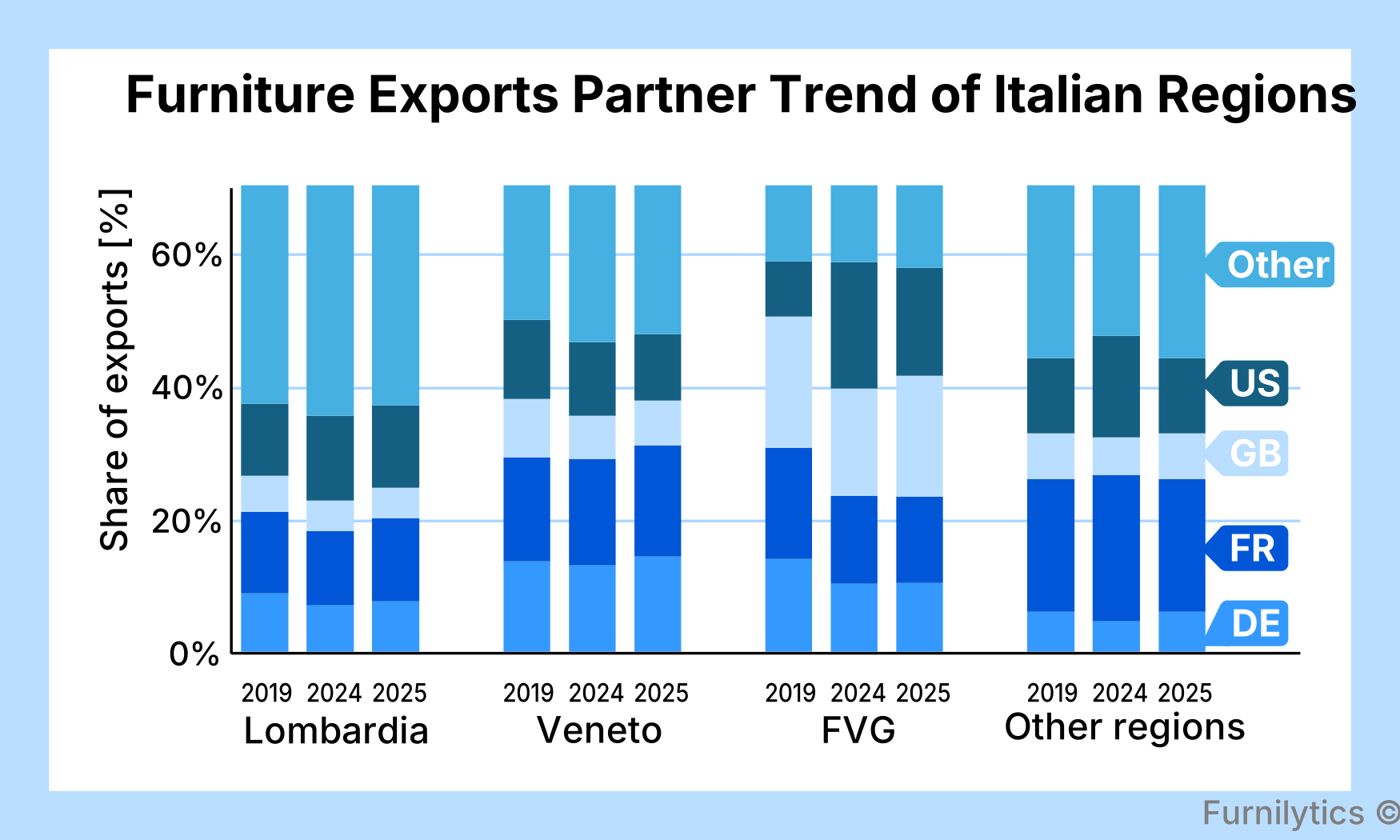
Export structures have shifted between 2019 and 2025, with regional differences becoming more visible. Germany and France remain structurally important markets across all clusters, while the United States plays a differentiated and more cyclical role. In Lombardy and Veneto, US export shares have remained relatively stable from 2019 through 2024 and into 2025, indicating a broadly diversified trade profile. By contrast, Friuli-Venezia Giulia and several smaller regions expanded their US exposure during the post-Covid period, followed by some moderation in 2025.
Recent data suggest increasing pressure. With an effective US duty rate of 13.4% and roughly 63% of exports classified as dutiable (HS 9401–9403), Italian furniture exports to the US have declined by 15.5% over the past three months. Given the strong regional concentration of production, regions that increased their US exposure most strongly between 2019 and 2024 may face greater short-term adjustment pressures as trade conditions tighten.
Conclusion
Italy’s furniture industry is highly concentrated in a small number of northern clusters that combine production scale with strong international integration. Nearly three quarters of output is generated in four regions, reinforcing both competitiveness and structural concentration. While export intensity is meaningful, Italy remains less export-dependent than some peer producers, supported by a sizeable domestic market.
Recent US trade pressures illustrate how external shocks can affect regions unevenly. Clusters that expanded more strongly into the US market in the post-Covid period may face greater short-term adjustment, while more diversified export structures appear comparatively resilient.
Sources:
ISTAT – Italian National Institute of Statistics
Methodology & limitations:
Annual production figures are taken from ISTAT Structural Business Statistics (SBSREG) at the regional level (furniture manufacturing, ATECO 31), using turnover as a proxy for production (latest available year: 2024). Regional export values for furniture products (CPA CM31) are constructed from ISTAT quarterly trade tables, combining legacy and current series to ensure continuity. Export intensity is measured as the ratio of regional export value to production turnover, in current prices. Production (activity-based) and export (product-based) definitions differ and are not fully aligned, both datasets lag the reporting period, and values are nominal without price adjustment, which may affect cross-region comparability.