
Lithuanian Furniture Industry Analysis: Revenue, Profitability and Market Structure Trends
Lithuania has developed into one of Europe’s most export-oriented furniture manufacturing hubs, with major producers strongly integrated into Northern and Western European furniture supply chains. Over recent years, the industry experienced rapid growth, followed by significant pressure from raw material inflation, energy costs, supply chain disruption and the broader economic effects of the war in Ukraine.
In waiting of the 2025 financial results, this analysis provides a contextual presetting of recent developments within the Lithuanian furniture manufacturing industry. Using a selected group of 19 core furniture producers representing more than half of total Lithuanian furniture manufacturing turnover, the analysis explores trends related to revenue growth, profitability, balance sheet development, market concentration, employment and wages.
Scope
This analysis focuses on a selected group of 19 Lithuanian furniture manufacturers whose core business activities are centred around furniture production. The group includes major industrial players from SBA Group, VMG, Freda, Narbutas, Dominari, Actona and LTP Group, alongside 4 independent producers.
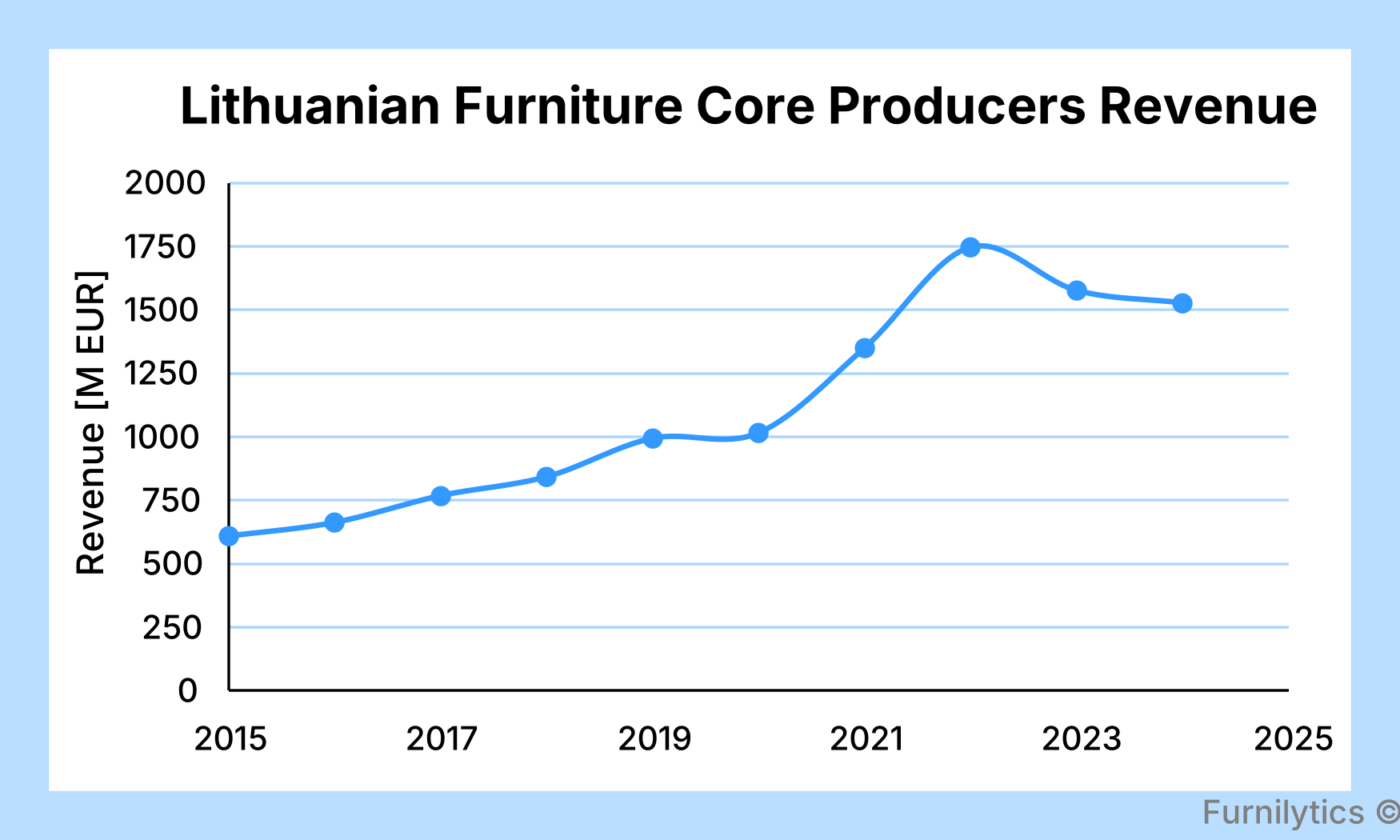
Together, the selected companies generated approximately €1.5 billion in combined revenue in 2024 and represented more than half of total Lithuanian furniture manufacturing turnover. The group includes a broad mix of upholstered, flat-pack and panel-based furniture manufacturers, many of which are strongly export-oriented and integrated into Northern and Western European furniture supply chains.
The intention of this selected producer group is to serve as a representative proxy for analysing broader structural developments within the Lithuanian furniture manufacturing industry, including trends related to growth, profitability, balance sheet development, market concentration and employment.
Revenue Growth and Profitability
The selected group of Lithuanian core furniture producers experienced strong long-term revenue growth between 2015 and 2022. Combined revenue increased from approximately €610 million in 2015 to a peak of around €1.75 billion in 2022, nearly tripling over the observed period. Growth accelerated particularly strongly during 2021 and 2022, reflecting the post-pandemic furniture demand boom across European and North American markets.
However, the sharp increase in revenue was accompanied by a significant deterioration in profitability. Profit margins remained relatively stable between 2015 and 2020, fluctuating around 6–7%, before falling sharply from approximately 7.3% in 2020 to 4.0% in 2021. Margins declined further to around 3.0% in 2023 before showing an early recovery to approximately 4.0% in 2024.
The profitability decline was visible across most of the selected producer groups. Despite continued revenue growth, nearly all major groups recorded lower profit margins in 2021 compared to previous years, with Freda representing one of the few exceptions. The broad-based nature of the decline indicates that the profitability pressure affected a large part of the Lithuanian furniture manufacturing sector during this period.
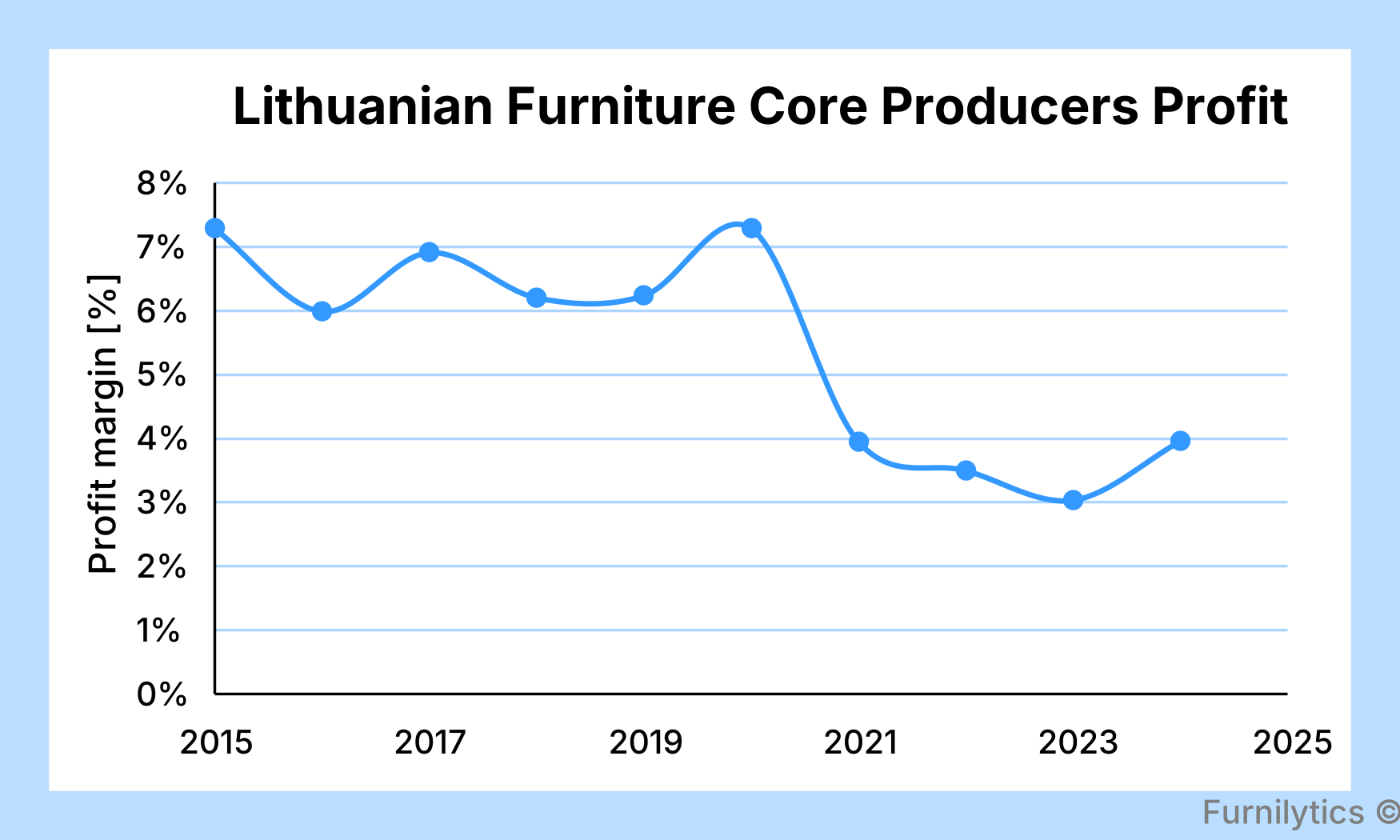
The divergence between revenue growth and profitability suggests that the rapid expansion period created substantial operational and cost pressure within the industry. This period coincided with major disruptions affecting European furniture manufacturing, including raw material inflation, energy price increases, supply chain instability and the broader economic effects of the war in Ukraine. Lithuanian producers, many of which are strongly export-oriented and integrated into Northern European furniture supply chains, were particularly exposed to these developments.
Balance Sheet Development
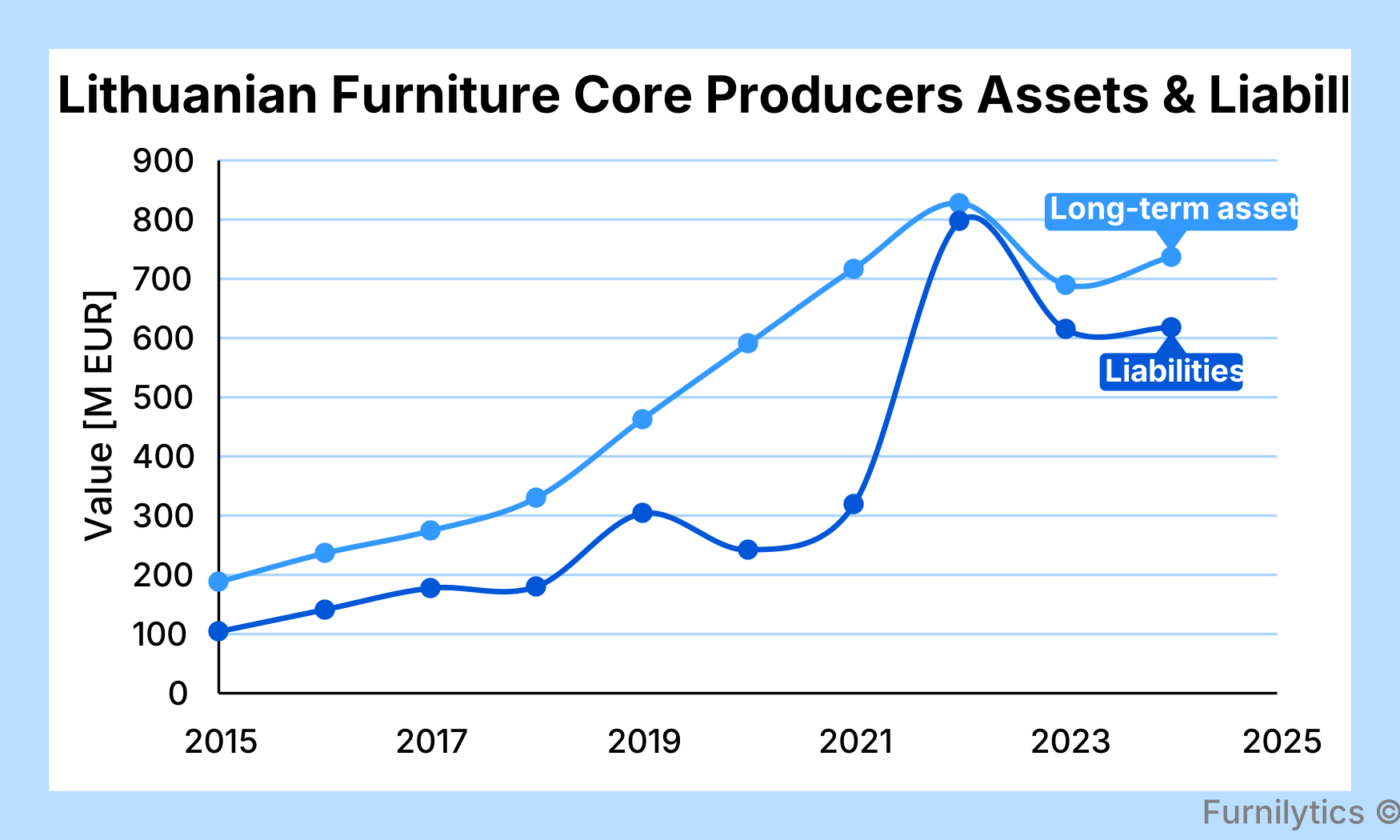
The balance sheet development of the selected Lithuanian core furniture producers helps illustrate how the industry financed and absorbed the rapid expansion period shown in the revenue figures. Combined long-term assets increased from approximately €330 million in 2018 to around €830 million in 2022, while liabilities rose even more sharply from approximately €180 million to nearly €800 million over the same period.
The strong increase in liabilities during 2021 and 2022 coincided with rising revenues and declining profitability, suggesting higher financing and working capital needs during the post-pandemic expansion phase. Following the 2022 peak, both assets and liabilities declined, although liabilities remained structurally above pre-2021 levels.
Market Concentration
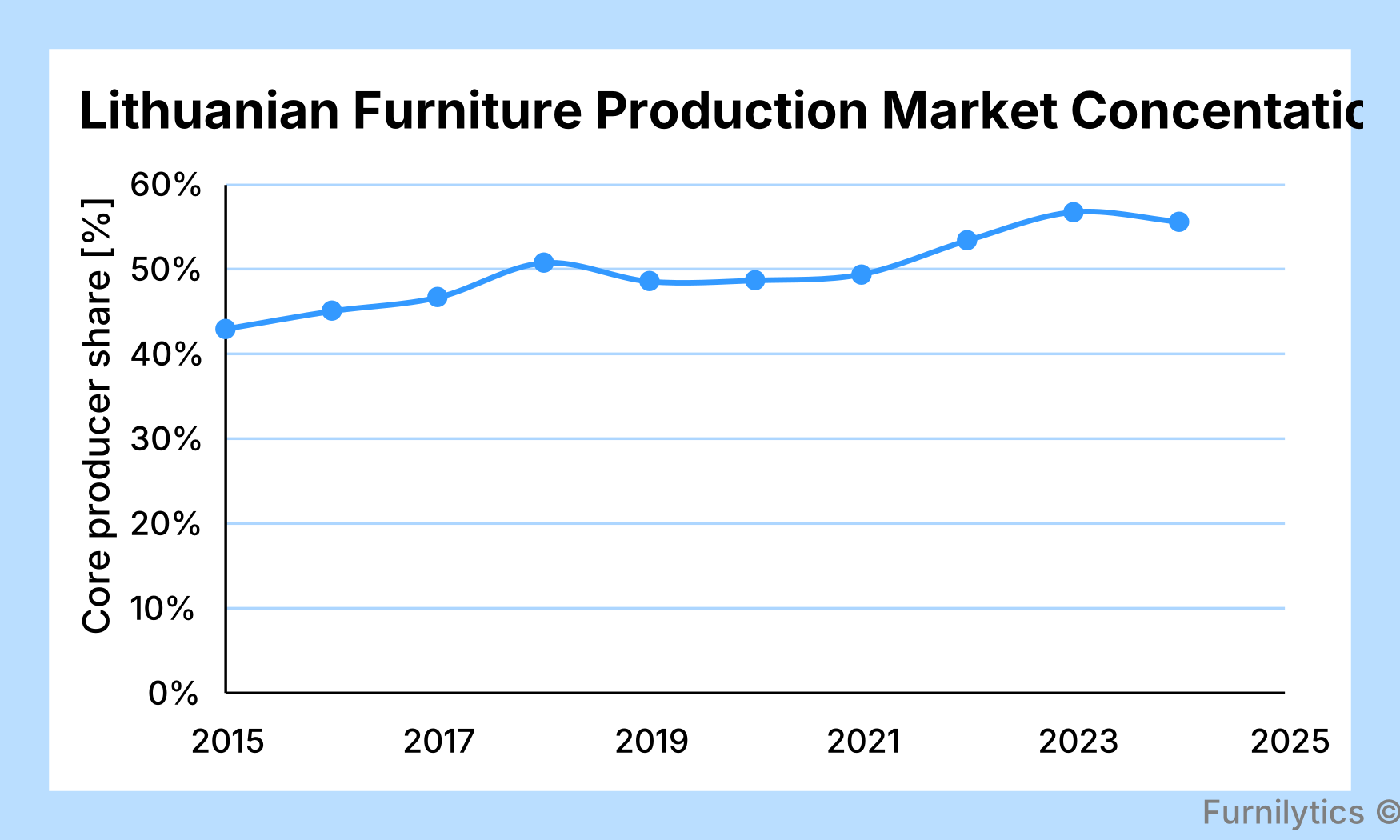
The selected group of Lithuanian core furniture producers increased its combined market share from approximately 43% of total Lithuanian furniture manufacturing turnover in 2015 to around 56% in 2024. The gradual increase in concentration suggests that larger producers strengthened their position within the Lithuanian furniture manufacturing industry over the observed period. The share of the selected core producers surpassed 50% in 2018 and remained around or above that level thereafter.
The increase became more visible after 2021, coinciding with the period of strong revenue growth, balance sheet expansion and profitability pressure across the sector. This may indicate that larger and more internationally integrated producers were better positioned to navigate the volatile market conditions that affected the European furniture industry during this period.
Employment and Wages
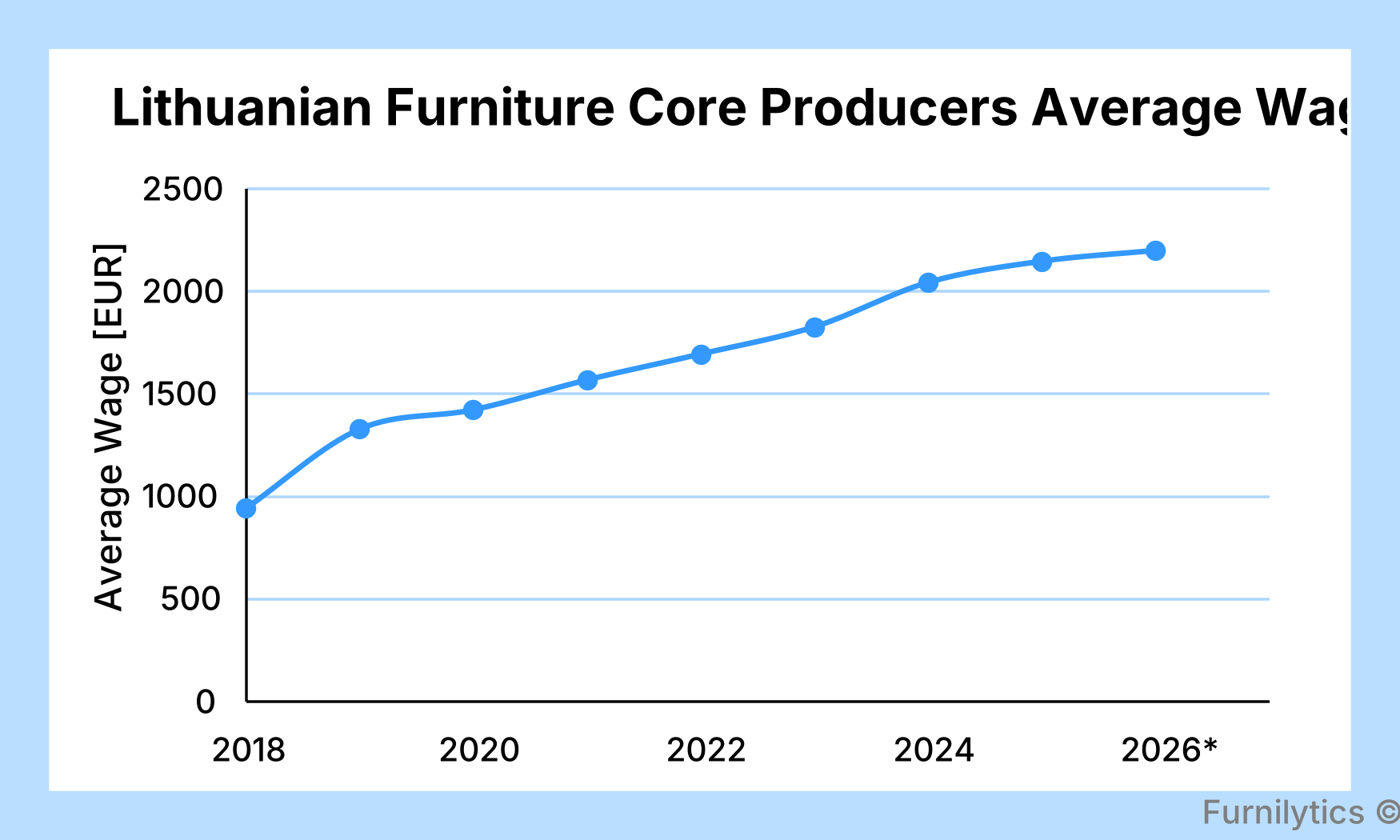
Average wages among the selected Lithuanian core furniture producers increased steadily throughout the observed period, rising from approximately €940 per month in 2018 to around €2,200 in 2026. Wage growth accelerated particularly strongly after 2021, during the same period in which profitability across the sector declined sharply. Between 2021 and 2026, average wages increased by roughly 40%, highlighting the growing labour cost pressure facing Lithuanian furniture manufacturers.
The sustained wage growth reflects broader labour market developments across Central and Eastern Europe, where manufacturing wages have continued to converge toward Western European levels. For Lithuanian furniture producers, many of which compete internationally within relatively cost-sensitive export markets, rising wage levels likely became an increasingly important factor affecting competitiveness and profitability.
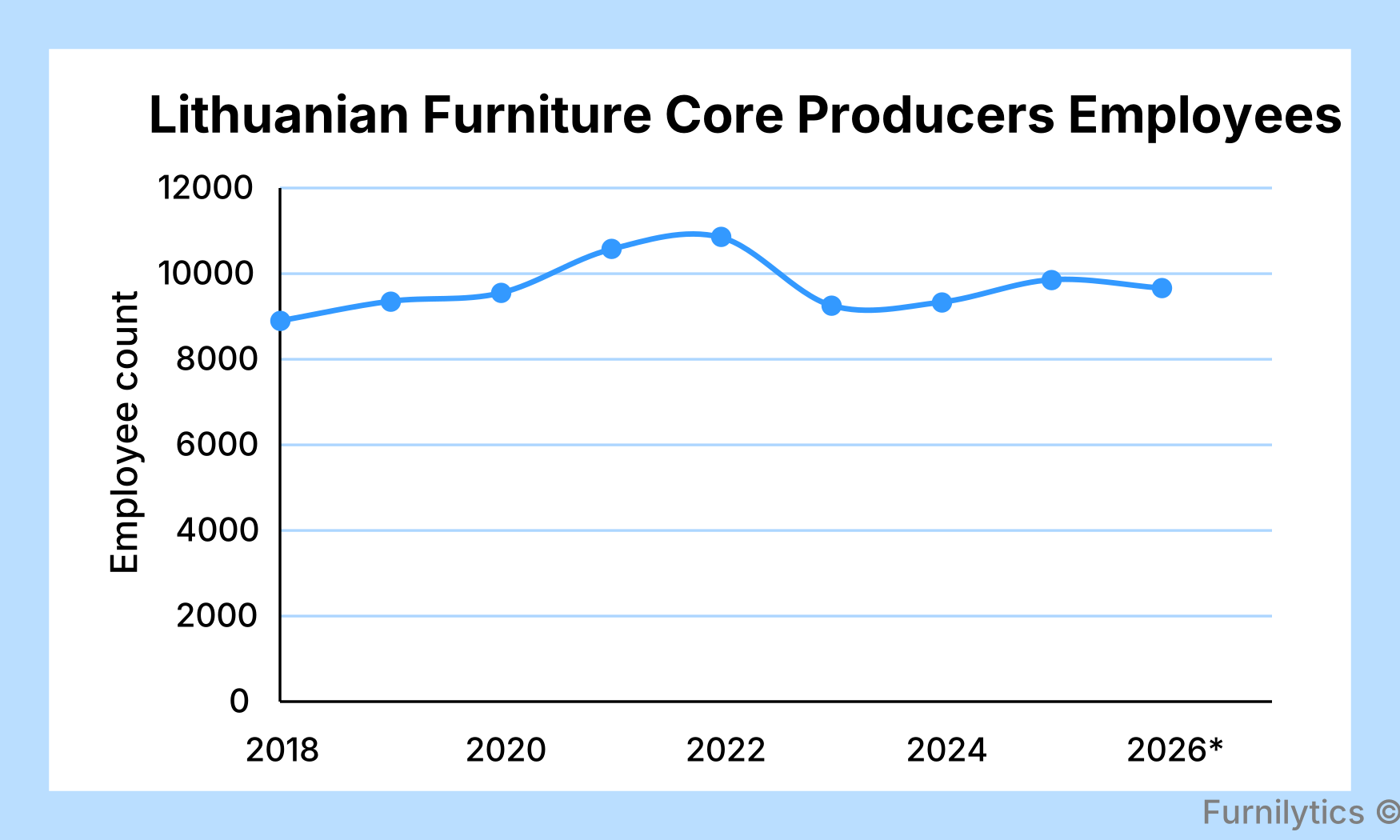
At the same time, employee counts developed less favourably. Total employment increased from approximately 8,900 employees in 2018 to a peak of nearly 10,900 in 2022, before declining sharply to around 9,200 in 2023. Employment partially recovered afterward but remained below the 2022 peak level.
Despite the strong increase in revenue and output over the observed period, total employment remained relatively stable overall. This suggests that growth within the sector was driven more by higher output intensity, scaling of larger producers and rising value generation per employee rather than by broad-based employment expansion.
Conclusion
The analysed group of Lithuanian core furniture producers highlights the strong long-term development of Lithuania’s furniture manufacturing industry over recent years. Despite a challenging operating environment marked by raw material inflation, energy price volatility and supply chain disruption, the sector continued to generate substantial revenue growth and maintained a strong position within European furniture supply chains.
The analysis also indicates that larger and more internationally integrated manufacturers further strengthened their role within the industry, while continued wage growth and relatively stable employment levels reflect the sector’s ongoing industrial importance. Overall, the findings suggest that the Lithuanian furniture industry has evolved into a more mature, capital-intensive and internationally competitive manufacturing sector.
Sources:
JARS.LT - Company employment and wage statistics (SODRA-based data)
Rekvizitai.lt - Company financial statements and registry information
Public company filings and annual reports
Furnilytics Indicator - Lithuania Furniture Production Market Size
Methodology & limitations:
The analysis is based on a selected group of 19 major Lithuanian companies whose core business is furniture production. Revenue, profitability, balance sheet, employment and wage indicators were aggregated at individual company level rather than consolidated group level using publicly available financial statement data from Rekvizitai.lt and SODRA-based employment statistics accessed via JARS.LT. Employment figures reflect insured employee counts reported to Lithuania’s social insurance system. The selected company group is intended to represent the core Lithuanian furniture manufacturing cluster rather than the full national furniture industry.