
US Furniture Market Demand Signals: Search Trends, Housing and Retail Sales
The United States is the largest furniture market in the world, making developments in US consumer demand particularly important for the global furniture industry. Understanding the current state of this market requires looking beyond retail sales alone, as several leading indicators can provide insight into how demand conditions are evolving.
This analysis reviews key demand signals for the US furniture retail market, focusing on four indicators that capture different aspects of the demand cycle: online search activity for furniture products, consumer confidence, housing market activity, and furniture retail sales. Together, these indicators provide a broader view of both consumer intent and the structural drivers of furniture demand.
The following sections examine how each of these indicators has developed in recent years and what they suggest about the current direction of the US furniture market.
Online Search Trends for Furniture Products
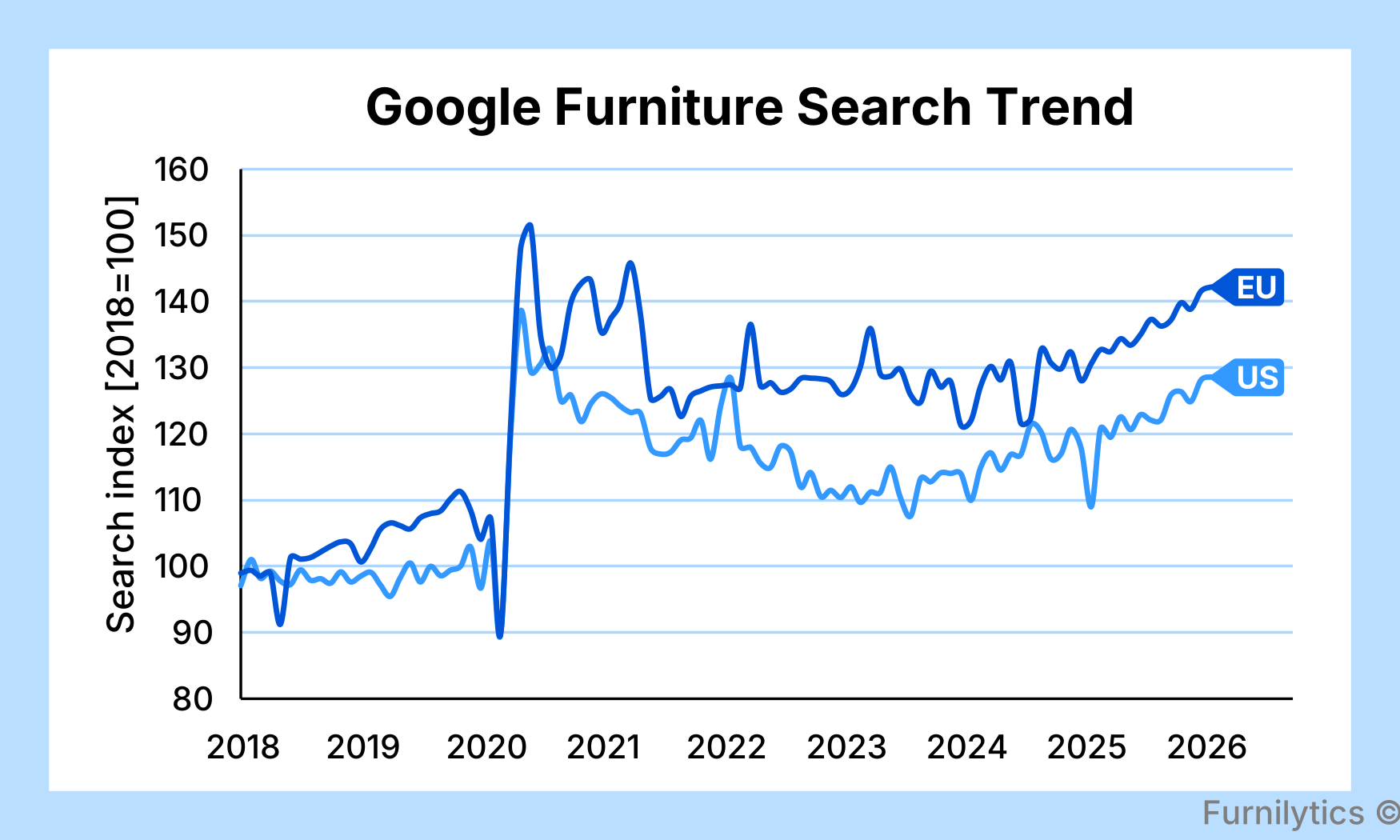
Google search activity for furniture products provides an early signal of consumer demand. In the US, search interest increased gradually between 2018 and early 2020, followed by a sharp spike during the pandemic as households invested heavily in home improvement and home office setups. After this peak, search interest declined during 2022–2023 as inflation and higher interest rates reduced spending on durable goods. Since 2024, however, search activity has gradually recovered, indicating improving consumer interest in furniture purchases.
Compared with the EU, the recovery has been somewhat weaker in the US. While both regions experienced a similar pandemic spike, EU search interest has increased more strongly in recent years and currently remains at a higher level.
Consumer Confidence and Furniture Demand
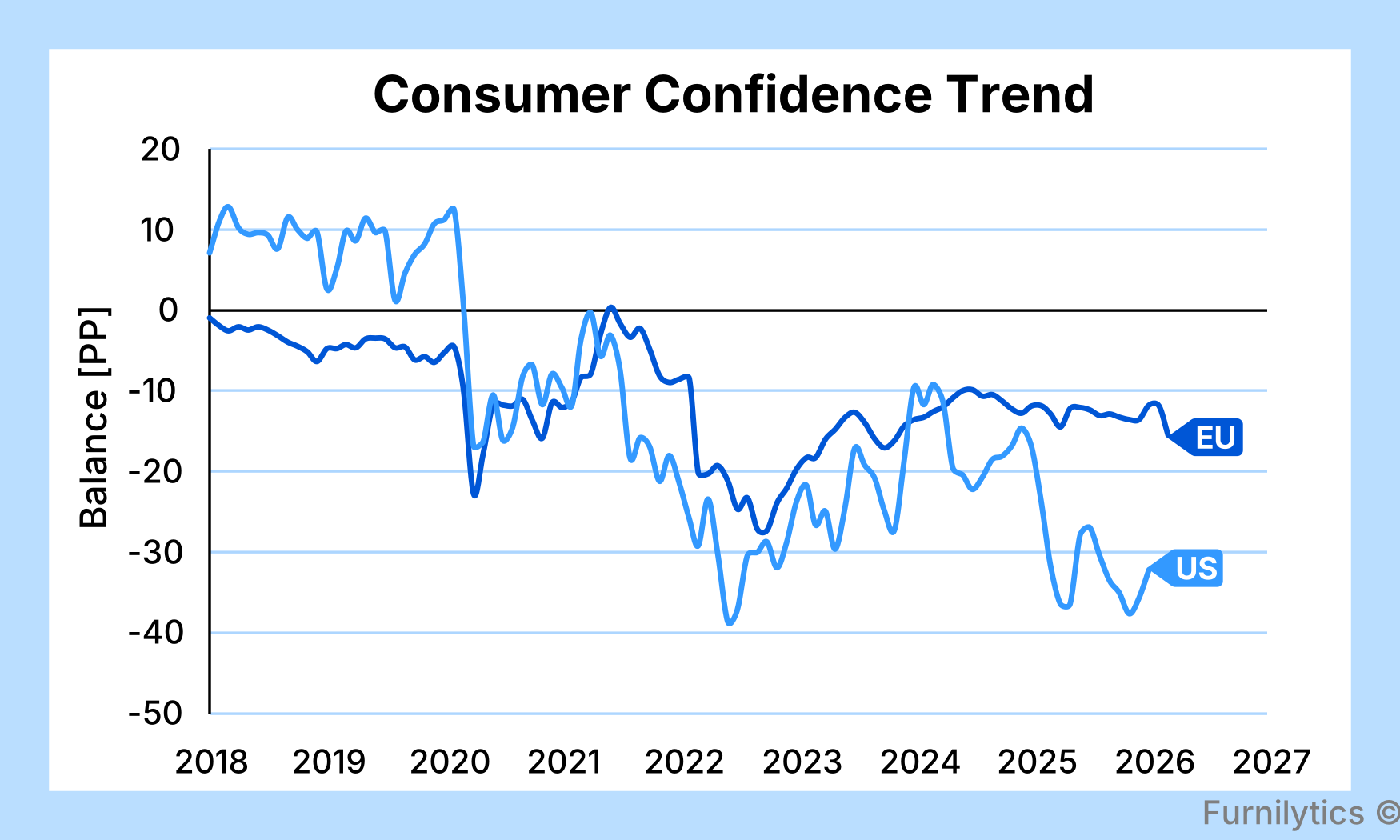
Consumer confidence is an important indicator for furniture demand, as furniture purchases are typically discretionary and closely linked to household sentiment. When confidence declines, households often postpone larger purchases such as furniture. In the US, consumer confidence fell sharply during the pandemic and again during the inflation shock in 2022. Although sentiment improved somewhat afterwards, it has remained relatively weak and volatile in recent years.
Compared with the EU, US consumer sentiment has recently been noticeably weaker. This suggests that household willingness to spend on discretionary goods such as furniture continues to face headwinds in the US market.
Housing market activity and furniture demand
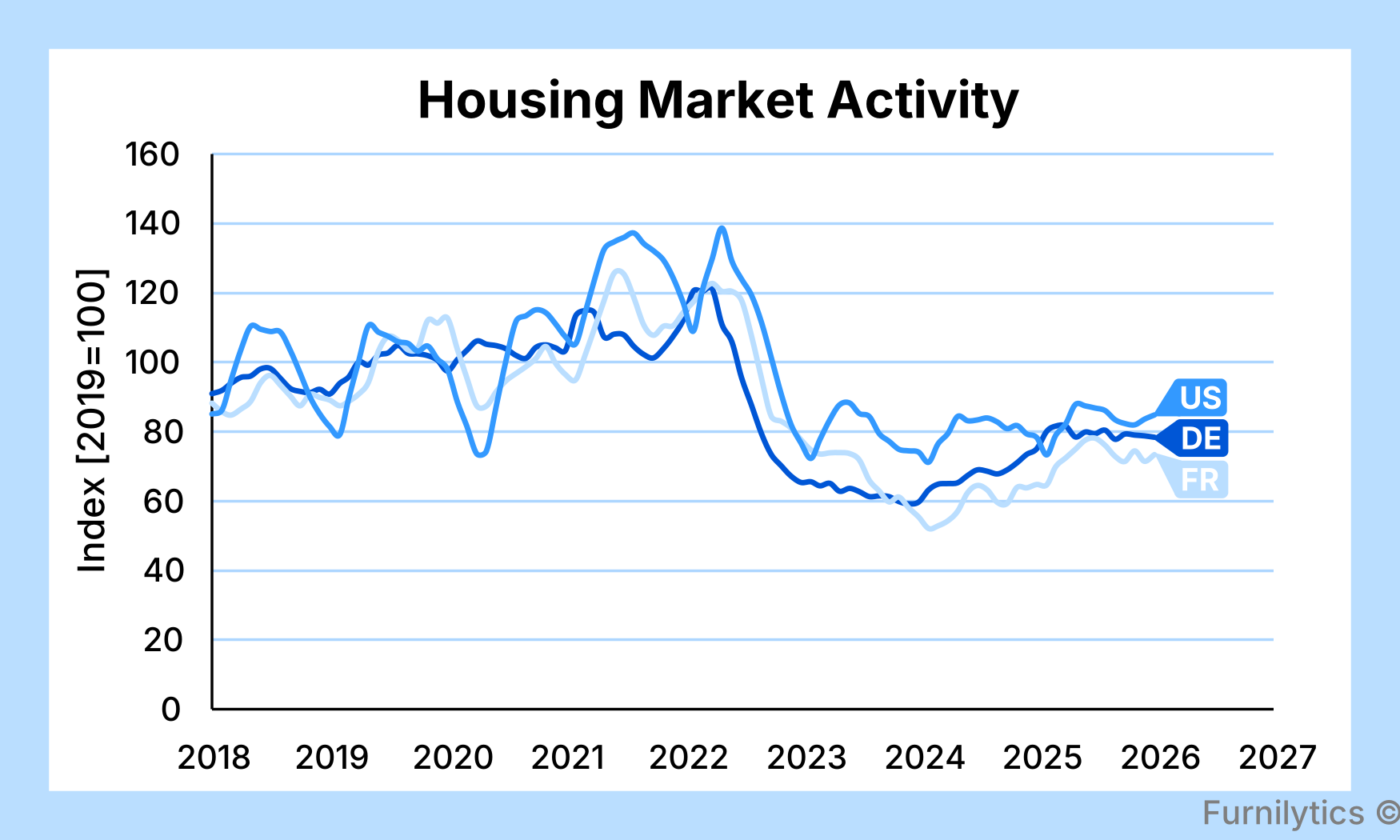
Housing activity is a key structural driver of furniture demand, as new home purchases and renovations typically lead to increased furniture spending. The indicator combines new mortgage lending with residential construction activity.
In the US, housing activity increased strongly during the pandemic housing boom, reaching a peak around 2021–2022. As interest rates rose, housing activity declined significantly and reached a trough in 2023.
Since then, the US housing market has shown signs of stabilisation and a modest recovery. However, activity levels remain below the pandemic peak. Compared with the major European markets, the US housing market has recovered somewhat more strongly in recent years, suggesting that housing-related demand for furniture may be gradually improving.
US Furniture Retail Sales Trends
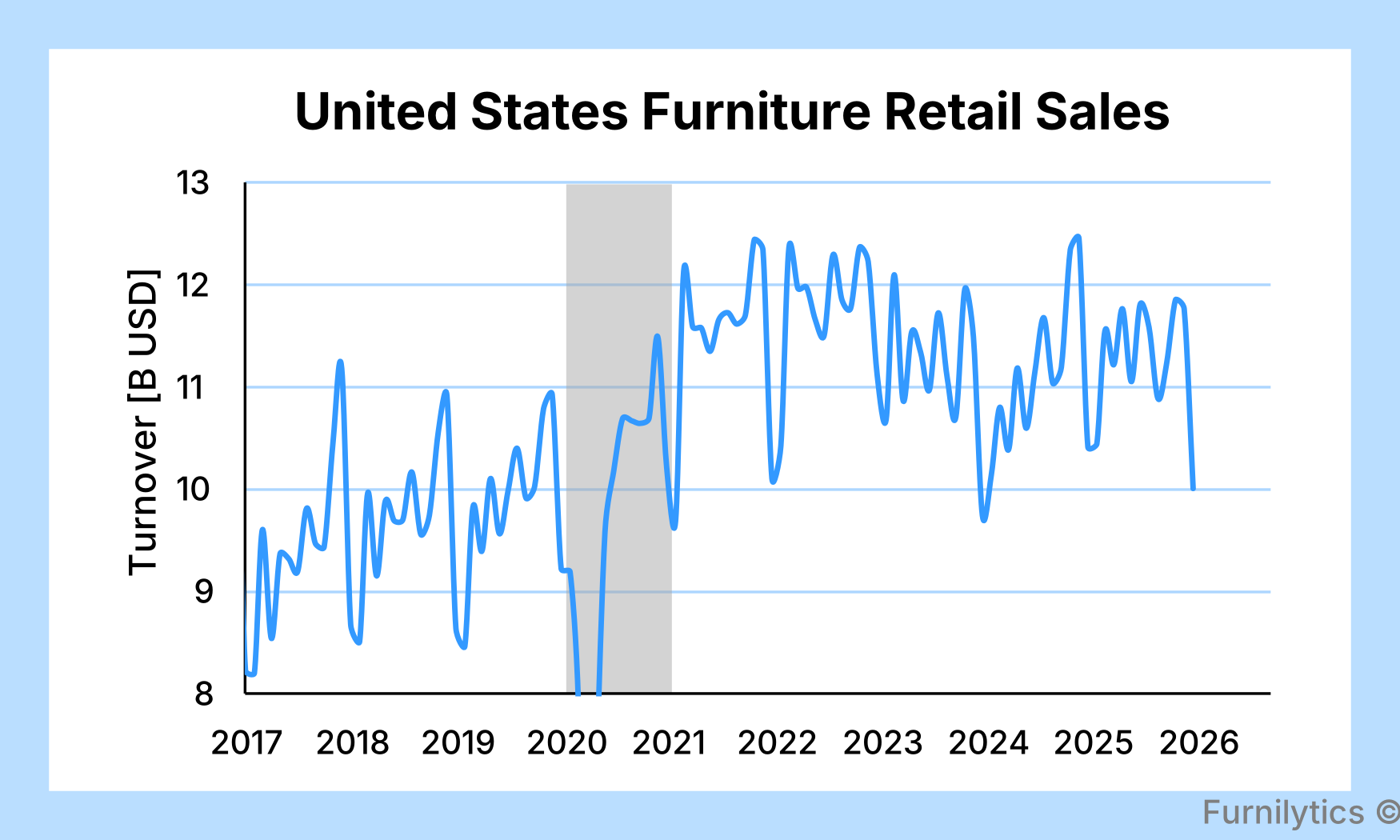
US furniture retail sales increased steadily between 2017 and 2019 and surged during the pandemic as households shifted spending toward home-related products. After this peak, the market stabilised at a relatively high level but has shown increasing volatility in recent years.
Since the second half of 2025, furniture retail sales have declined noticeably. Over the past six months, sales fell by around 10.3% year-on-year, significantly weaker than the roughly 1% decline observed in European markets.
One structural factor that may amplify this divergence is the relatively high import dependence of the US furniture market. Imports account for roughly 40% of furniture consumption in the US, compared with about 20% in the EU. The decline in retail sales began around mid-2025, broadly coinciding with the period when new tariff measures came into effect. Given the strong reliance on imported furniture, these measures may have had a stronger impact on prices and demand in the US market.
Conclusion
Overall, the main demand indicators suggest that the US furniture market remains in a relatively subdued phase. Consumer sentiment has stayed weak and online search activity has recovered only gradually, indicating that household demand for furniture remains cautious.
At the same time, the housing market has shown signs of stabilisation and a modest recovery, which could support furniture demand going forward. However, this improvement has not yet translated into stronger retail market performance.
Recent declines in furniture retail sales, particularly since mid-2025, highlight the continued fragility of the market. At the same time, structural factors such as the high import dependence of the US furniture market may be contributing to the current volatility in retail demand.
Sources:
Federal Reserve Bank (FRED) – retail sales: furniture and home furnishings stores
Google trends – keyword search trend
Federal Reserve Bank (FRED) – Consumer Sentiment
Federal Reserve Bank (FRED) – new mortgages
Federal Reserve Bank (FRED) – housing starts privately owned housing units
Methodology & limitations:
US furniture retail market size is based on the FRED series MRTSSM442USN (Furniture & Home Furnishings Stores). As the category includes some non-furniture items, it should be interpreted as a proxy for sector retail dynamics.
Online demand is measured using Google Trends product search baskets. Weekly data is resampled to monthly averages and seasonally adjusted using STL method, then indexed to 2018 = 100. As Google Trends reflects relative search activity, it indicates consumer interest rather than sales.
Consumer sentiment is based on the University of Michigan Surveys of Consumers (UMCSENT) from FRED, adjusted by subtracting the 1995–2019 average to improve comparability with EU indicators.Housing activity is represented by a composite index combining new mortgage lending and housing construction indicators, indexed to 2019 = 100, and should be interpreted as a broad housing activity indicator.