
Italian Furniture Industry: Market Trends, Exports, and Regional Concentration
Italy is one of Europe’s most important furniture economies, combining a strong manufacturing base with global export reach and a sizeable domestic retail market. This analysis reviews recent trends in production, retail turnover and export structure, with particular attention to regional concentration and evolving trade dynamics. The objective is to assess how Italy’s furniture industry is positioned within a changing European and global market environment.
This analysis of the Italian furniture industry was prepared for Big Furniture Group, as part of its collaboration with Furnilytics.
General trends
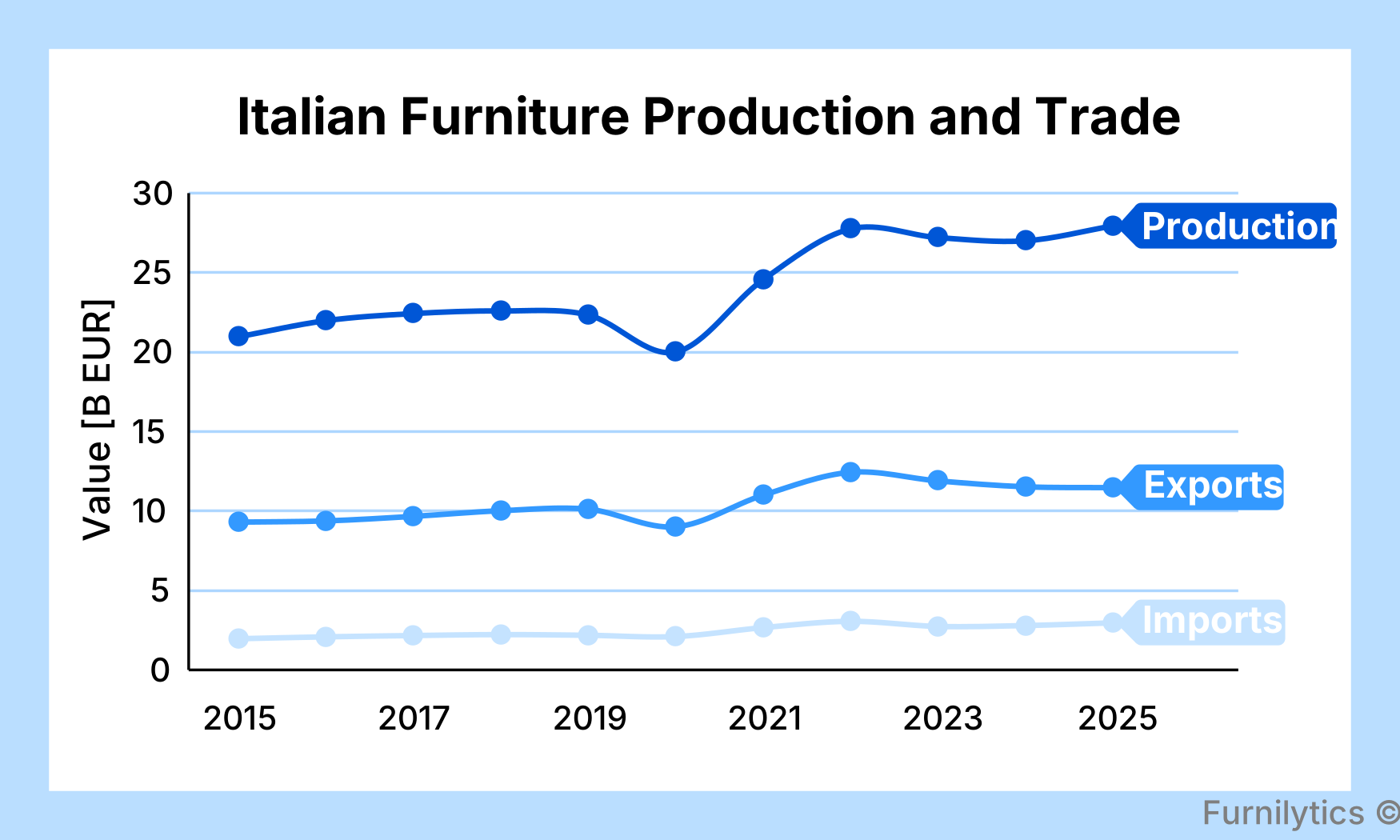
The Italian furniture industry combines a strong export orientation with a sizeable domestic market. After steady growth up to 2019 and a temporary dip in 2020, production expanded sharply in 2021–2022, reaching €27.8 billion, and remained at a similarly high level in 2025 at €27.96 billion.
Exports follow the same broad cycle, while imports have grown gradually, with import penetration remaining relatively stable at around 14–16%. At the same time, export intensity has eased from 45.3% of production in 2019 to 41.1% in 2025, suggesting a modest shift toward relatively stronger domestic absorption within an otherwise structurally export-driven industry.
Domestic market
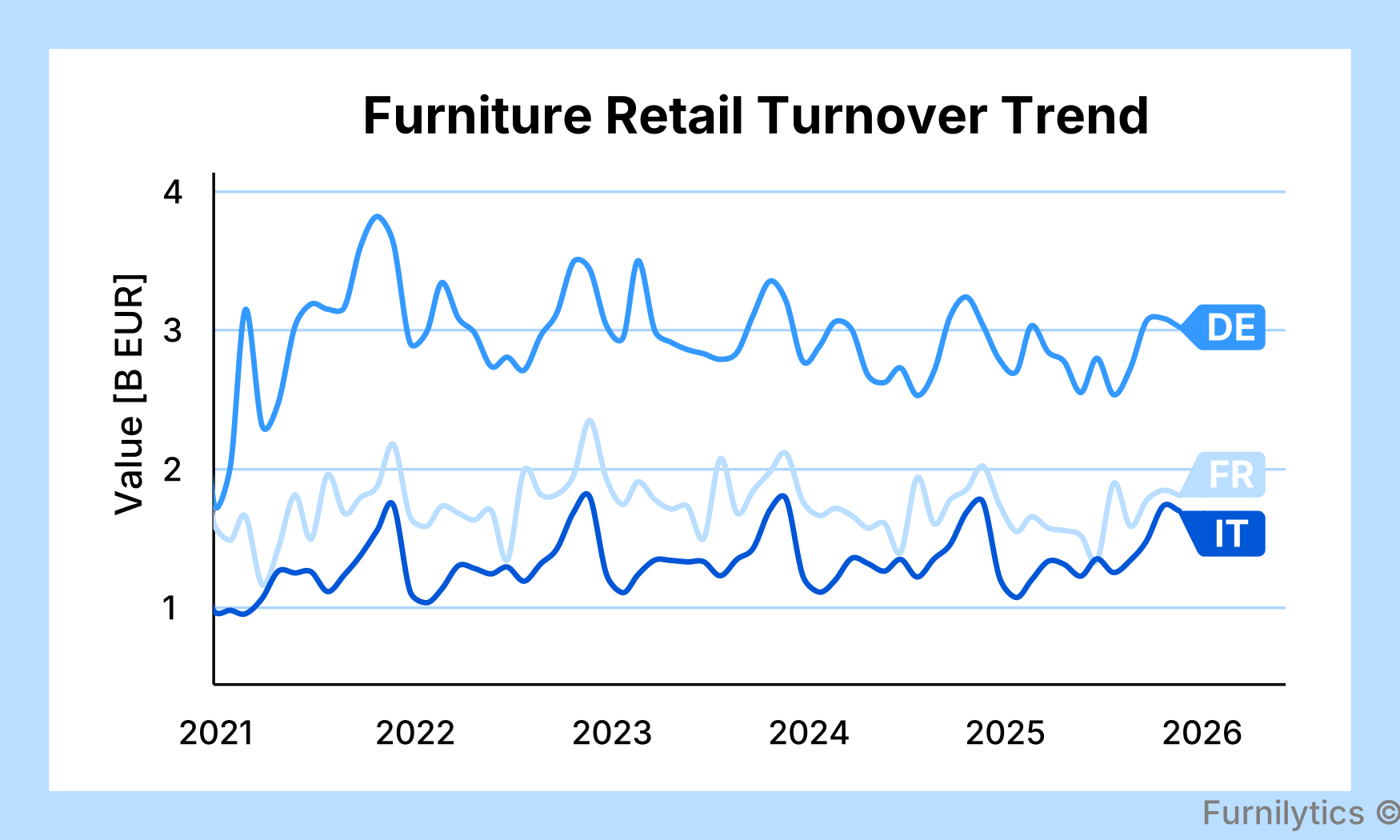
Italy is one of the three largest furniture retail markets in Europe and may soon overtake France for second place. The post-Covid trend shows that most major EU markets have gradually softened following the exceptional pandemic demand surge, reflecting normalisation in household spending and weaker housing-related activity.
Against this backdrop, Italy has been the most resilient among the large mature markets. While seasonal volatility remains visible, retail turnover has held comparatively stable, underlining the importance of domestic demand alongside Italy’s export orientation.
Exports and regional structure
Italy’s furniture exports are relatively well diversified. The four largest destination markets – France, the United States, Germany and the United Kingdom – account for around 46% of total exports, indicating no excessive dependence on a single partner. The United States stands out as the fastest-growing major market. Its share increased from around 10% of total exports (approx. €1.0 billion) in 2015–2020 to about 13% (around €1.6 billion) after 2020.
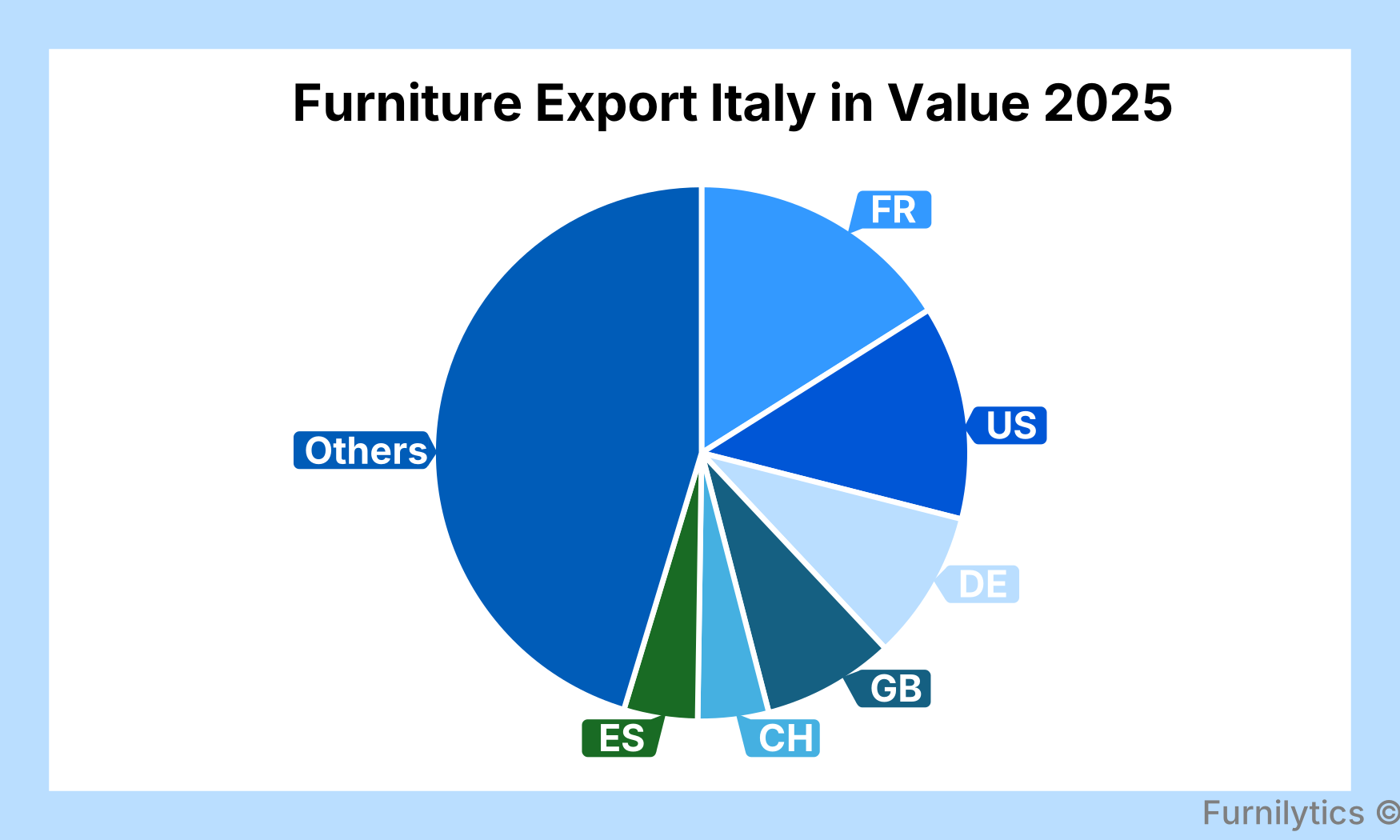
Recent data suggest emerging pressure: with an effective duty rate of 13.4% and roughly 63% of exports classified as dutiable (HS 9401–9403), a 15.5% decline in exports has been recorded over the last three months. The potential impact of US trade policy may therefore become increasingly relevant.
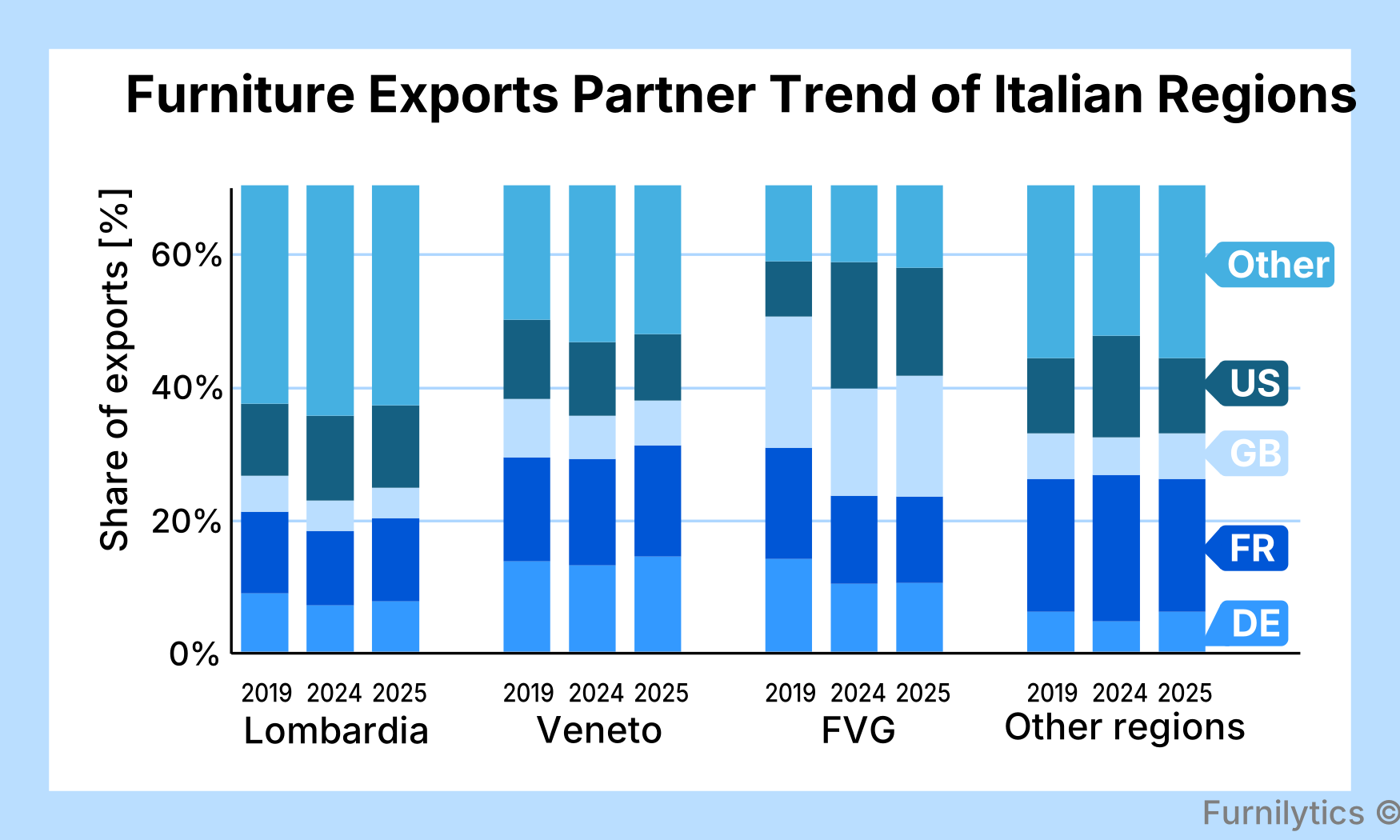
These dynamics are particularly important given Italy’s strong regional concentration in furniture production. Around 62% of Italy’s furniture production is concentrated in three regions: Lombardia, Veneto and Friuli-Venezia Giulia (FVG). Export exposure to the US differs across them. Lombardia and Veneto – the two largest regions – have maintained relatively stable US export shares from the pre-Covid period to 2025. In contrast, FVG and the remaining regions significantly increased their U.S. exposure during and after the pandemic and are now showing a reduction compared to recent peaks. The full regional impact of US tariffs is still unfolding, but the data suggest that regions with stronger post-Covid US expansion may face greater short-term adjustment pressures.
Conclusion
Overall, the Italian furniture industry remains structurally strong, supported by a balanced combination of export orientation and resilient domestic demand. While export diversification reduces dependence on single markets, recent US trade pressures highlight emerging external risks. Going forward, regional exposure and the evolution of global trade conditions will be key factors shaping Italy’s furniture sector performance.
Sources:
Italian National Institute of Statistics (ISTAT) – Structural Business Statistics (SBS)
European Union (Eurostat) – Structural Business Statistics
European Union (Eurostat) – Short-Term Business Statistics
European Union (Eurostat) Comext Trade Data – DS-045409
Methodology & limitations:
Furniture trade data are sourced from Eurostat Comext for HS codes 9401–9403 and analysed in current euros. Monthly trade statistics are used to identify recent trends and short-term movements, while annual totals are derived by aggregating available monthly observations. Export market shares are calculated as the proportion of total Italian furniture exports accounted for by each destination country.
Furniture production values are based primarily on Eurostat Structural Business Statistics for NACE 31 and ISTAT regional SBS datasets. Production beyond the latest available structural statistics is approximated using industrial production indicators from Eurostat Short-Term Business Statistics, assuming a broadly stable relationship between production volume and value. Regional production shares are derived from SBS regional data and should therefore be interpreted as structural approximations rather than precise annual output estimates. All values are expressed in current euros and are not adjusted for price changes.