
Spain Furniture Retail Market 2025: Size, Structure, and Company Trends
Spain is one of the largest furniture retail markets in Europe, characterised by a sizeable consumer base and a fragmented retail structure. This analysis provides a concise overview of the market, examining market size and growth, levels of fragmentation, and key company-level developments. The objective is to offer a clear, fact-based perspective on Spain’s position within the European furniture retail landscape and the dynamics shaping its recent development.
Spain Furniture Retail Market: Size and Growth
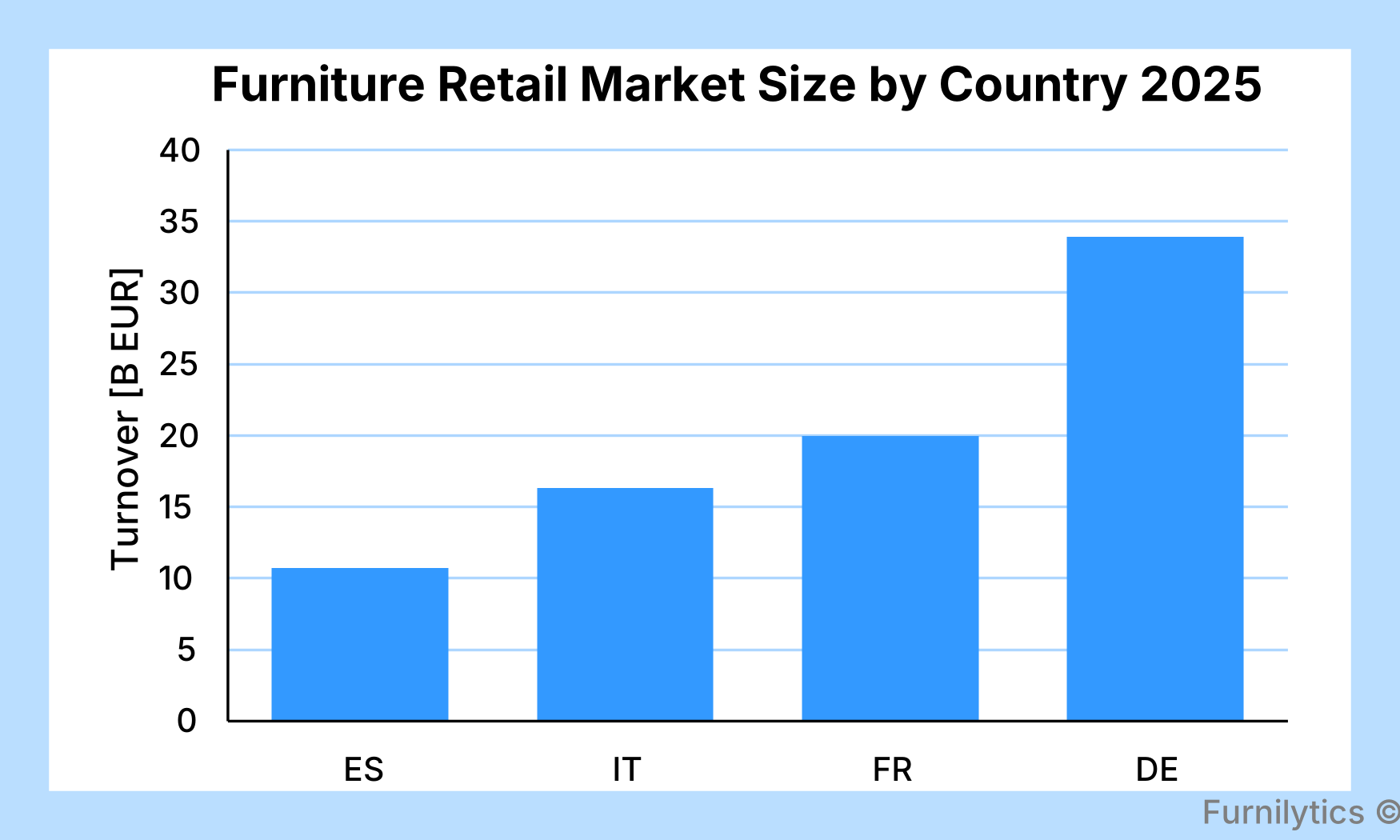
In absolute terms, Spain ranks as the fourth-largest furniture retail market in Europe, following Germany, France, and Italy. As illustrated in the 2025 market size comparison, Spanish furniture retail turnover remains clearly below the three larger continental markets, yet sits only marginally behind Italy. This positioning underscores Spain’s role as a mid-sized but increasingly relevant market within the European furniture retail landscape.
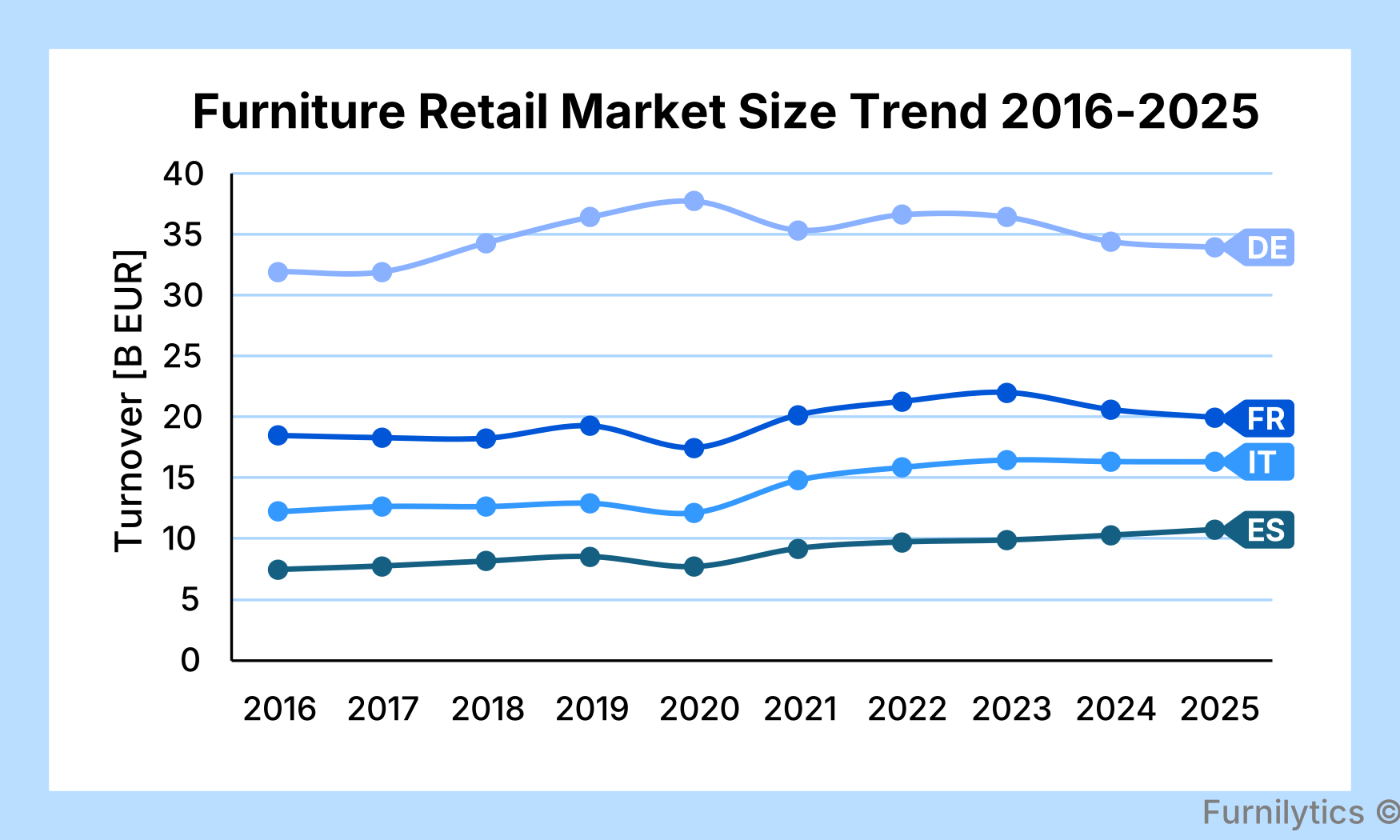
The time-series analysis below reveals a clear divergence between Germany and France, which have experienced stagnation or mild contraction, and Italy and Spain, which have shown more resilient growth. Spain stands out as the only market with consistent growth in furniture retail expenditure per capita over the past three years.
Spanish per capita furniture spending increased from around EUR 160 in 2016 to approximately EUR 220 in 2025, reflecting strengthening consumer demand. This positive trend is complemented by rising domestic furniture production, which expanded from EUR 4.7 billion in 2015 to EUR 8.5 billion, indicating a broader strengthening of the Spanish furniture ecosystem. These dynamics provide the context for the subsequent analysis of market structure and company-level performance.
Market fragmentation and competitive structure
The Spanish furniture retail market remains highly fragmented, with around 4400 registered furniture retailers, while only six companies generate annual revenues above EUR 100 million. As a result, a large share of the market continues to be held by small and mid-sized players.
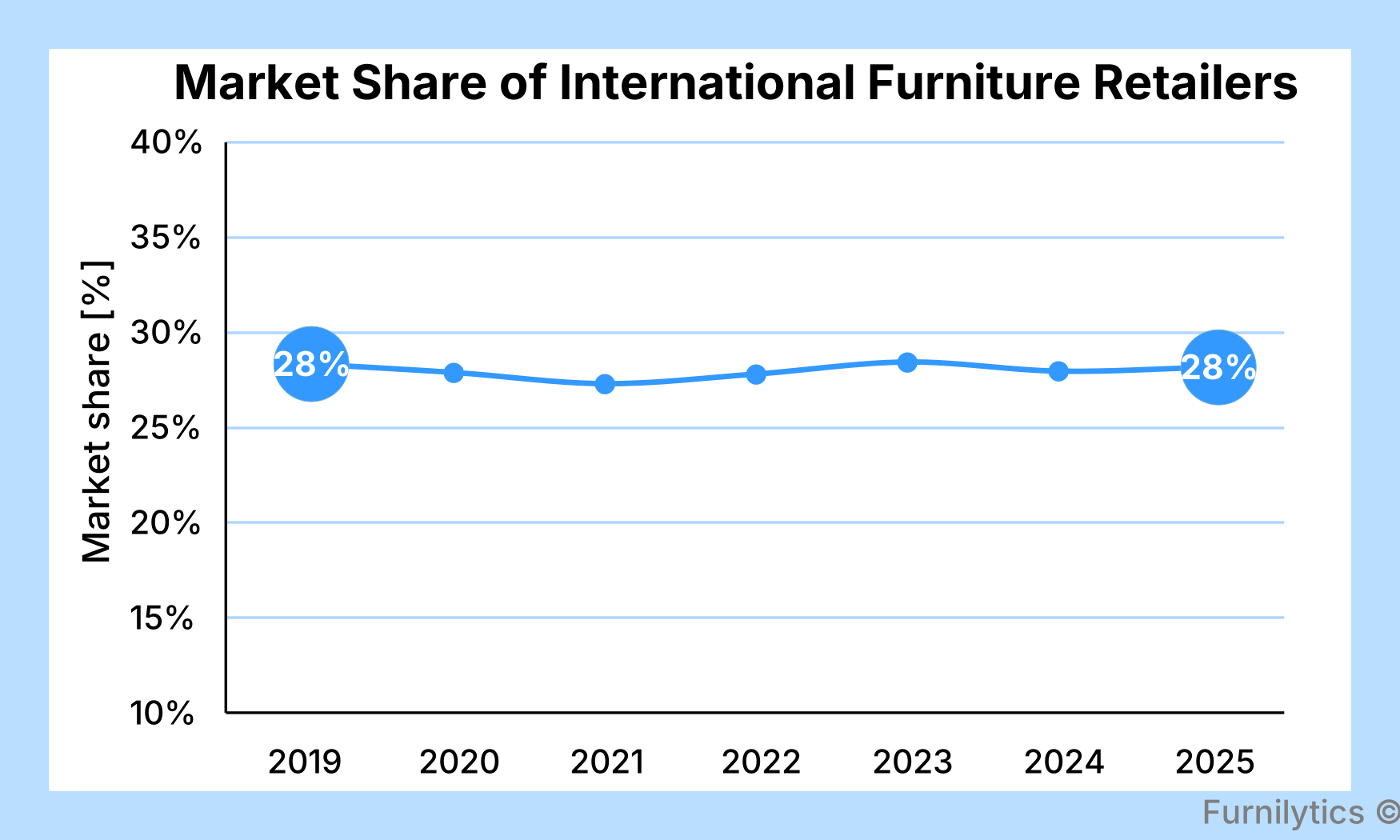
The market share of international retailers has remained stable over time, at approximately 28% throughout the period observed. Despite strong overall market growth in 2021 and subsequent years, there is no evidence of a structural shift in favour of either domestic or international players. Instead, both segments appear to have expanded broadly in line with overall market development.
Compared with Germany and Italy, where market concentration is higher due to dominant national or international chains, Spain remains structurally less consolidated. This persistent fragmentation has allowed local retailers to maintain a significant presence alongside international players, shaping the competitive environment examined in the following company-level analysis.
Key Furniture Retailers and Company-Level Trends in Spain
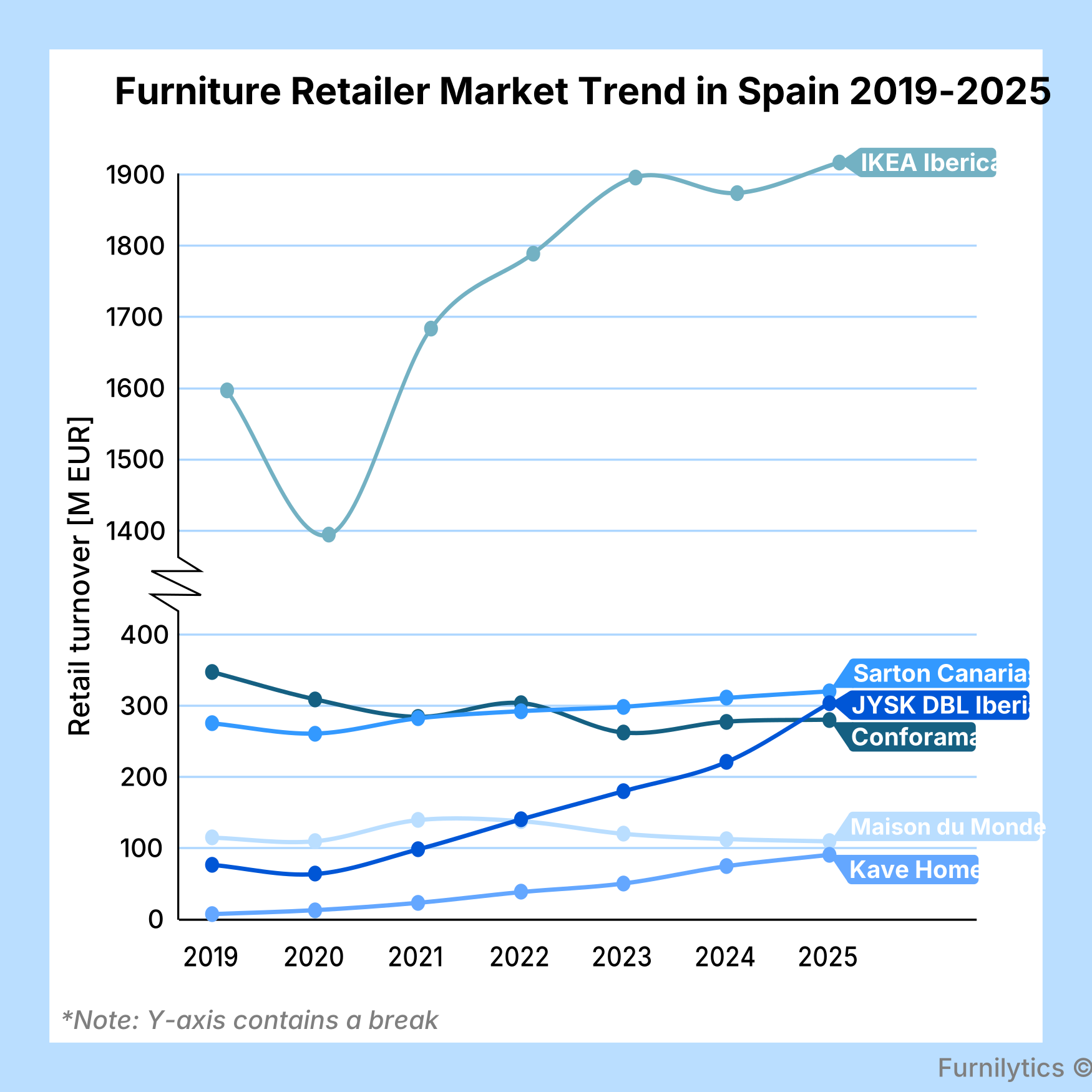
The company-level data illustrates a period of repositioning among international furniture retailers in Spain. Established international chains such as Conforama and Maisons du Monde have experienced declining or stagnating turnover since 2021, indicating a gradual loss of momentum in a market that has otherwise continued to expand. This trend suggests increasing competitive pressure and shifting consumer preferences rather than a contraction of the overall market.
In contrast, JYSK has pursued a clear expansion strategy in Spain. Its store network increased from 67 locations in 2019 to 169 in 2025, supporting steady revenue growth over the period. The expansion reflects a deliberate focus on physical retail coverage combined with a standardised value-oriented format, allowing JYSK to increase its presence across regions.
Kave Home, founded in Spain in 2013, represents a newer generation of furniture retailers. The company has shown consistent growth, supported by an omni-channel model with a strong emphasis on online sales. Alongside its domestic expansion, Kave Home has also expanded internationally, establishing a growing presence in several European and non-European markets, while maintaining Spain as its operational base.
IKEA is the largest individual furniture retail operator in Spain. IKEA Iberia operates stores on the Spanish mainland, while Sarton operates IKEA stores in the Canary Islands and other territories. During the COVID period, IKEA recorded a decline in turnover of approximately 12%, comparable to the contraction observed among other large furniture retailers. Subsequent turnover development follows the general recovery pattern of the Spanish furniture retail market.
Conclusion
Spain is a mid-sized but growing furniture retail market within Europe. While smaller than Germany and France and only slightly behind Italy in absolute terms, Spain stands out for its more resilient demand, including sustained growth in furniture retail expenditure per capita in recent years.
The market remains highly fragmented, with a large number of small and mid-sized retailers and limited concentration among large players. The stable market share of international retailers indicates that recent growth has been broadly shared across domestic and international operators rather than driven by consolidation.
At company level, trends reflect diverging strategies rather than uniform performance. Some established international retailers show slower momentum, while others continue to expand through store growth or omni-channel models. Overall, Spain combines favourable demand dynamics with a structurally diverse retail landscape, supported by a strengthening domestic furniture ecosystem.
Sources:
Instituto Nacional de Estadística (INE) - Tempus3 rate by activity
Registradores de España - governmental business registry
Eurostat - short term business statistics
Eurostat - structural business statistics
Eurostat - Comext Trade Data DS-045409
Methodology & limitations:
Spanish retail turnover is primarily derived from Eurostat Structural Business Statistics (SBS) for NACE 47.59 (furniture retail) and cross-checked against data from INE. As SBS data is lagged and currently available only through 2023, Eurostat Short-Term Statistics (STS) indices for NACE 47.5 were used to extend the series, since disaggregated data for NACE 47.59 is not available in INE rate by activity. The validity of this proxy was assessed by comparing results with apparent consumption estimates constructed from Eurostat SBS, STS, and Comext trade data.Cross-country comparisons with Germany, Italy, and France are based on the prior analysis Furniture Expenditure per Capita to ensure methodological consistency.
Company-level retail turnover was analysed using financial filings from Registradores de España. Only firms whose primary registered main activity is furniture retail (NACE 47.59) were included. The scope is limited to domestic furniture retail turnover in Spain, including the Canary and Balearic Islands. Inter-company transactions and online sales from other countries are excluded. Reported figures were cross-checked against publicly available online sources where possible.